Organic Chicken in Pakistan: What the Label Means and What to Ask
Pakistan has no enforced organic certification for poultry, so organic chicken is a claim, not a standard. What the label means and what to ask the seller.
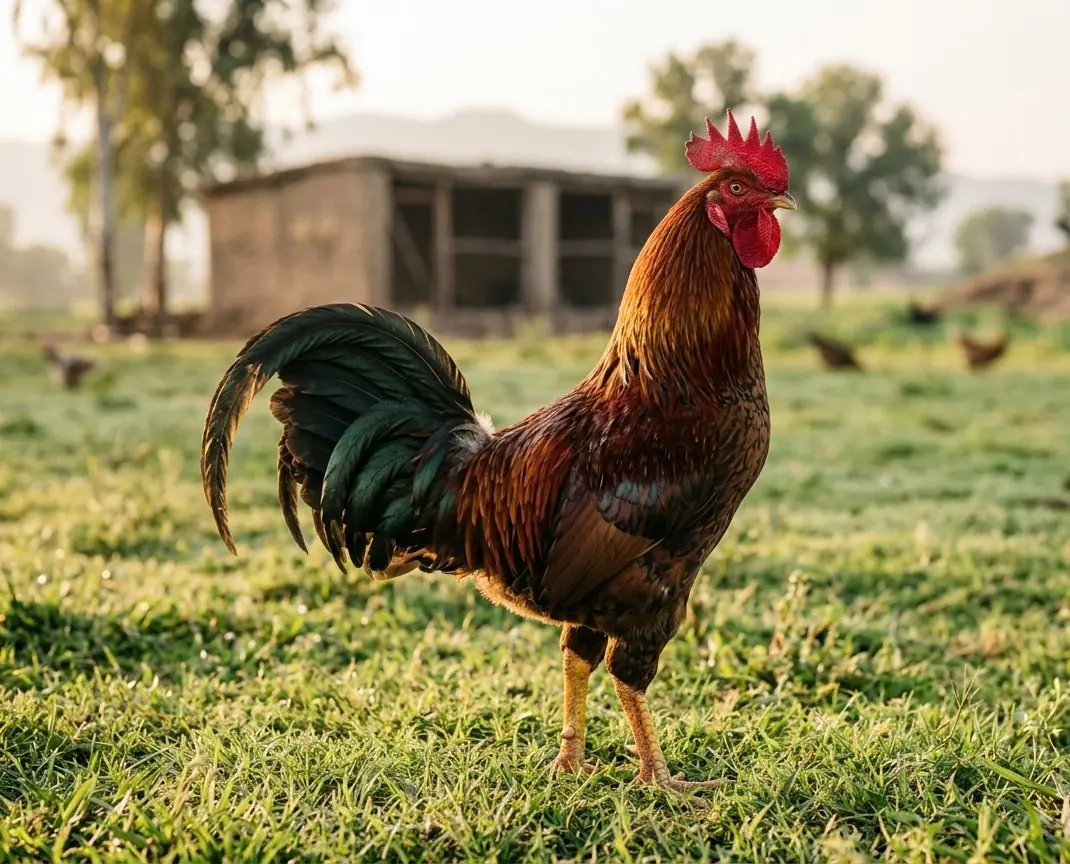
Pakistan has no enforced organic certification for poultry, so “organic chicken” on a menu, a label or a delivery page is a claim, not an audited standard. No inspector has checked the feed, the medication records or how the birds lived. The only way to know what the word means from a particular seller is to ask specific questions — and see whether they will let you check.
That is not a reason to give up on better chicken. It is a reason to stop shopping by label and start shopping by answers. This article covers what organic certification would actually require, why it does not operate here, what sellers usually mean when they write organic, and the four questions that separate a genuine claim from a word on a price list.
What would “organic chicken” actually require?
In countries where the term is regulated, organic is not a mood. It is a checklist with an inspector attached. A certified organic chicken typically requires all of the following:
- Audited feed. The grain is grown without synthetic pesticides and fertilisers, and that status is verified at every step from field to feed mill to farm. The farmer cannot simply say the feed is natural; there is paperwork behind every bag.
- No routine antibiotics. Medicating healthy flocks to speed growth or keep disease down is barred. A sick bird can be treated, but it generally leaves the organic line.
- Access to open ground. Birds must be able to go outside, with limits on how many share the space. A shed with a window does not qualify.
- Traceability. Each bird can be traced back to a flock, a farm and a feed batch, so if something goes wrong the trail exists.
Behind all four sits the part that gives the word its force: a third party inspects the farm, usually every year, and can withdraw the certificate. Organic, where it works, is less a farming method than an audit trail.
Why is no chicken in Pakistan genuinely certified organic?
Because the machinery does not exist here for retail poultry. There is no body that accredits certifiers for domestically sold chicken, no audited organic feed supply to buy from, and no inspection regime with the power to take the word off a label. A farmer in Pakistan who wanted to raise certified organic chicken could not do it honestly even with the best intentions, because there is no certified feed to purchase and nobody to issue the certificate.
The practical consequence is that every use of the word organic on chicken sold in Pakistan is self-declared. Some sellers using it are careful farmers describing real practices in the nearest familiar word. Others are relabelling ordinary birds. The label itself cannot tell you which. This is the same situation we described for eggs in our article on organic eggs in Pakistan — the economics of meat simply raise the stakes, because a whole bird costs more than a dozen eggs and the shortcuts are harder to spot once the bird is cut and cooked.
What do sellers usually mean when they say organic chicken?
In local listings and menus, organic usually stands in for one of four things:
- Desi breed. The most common usage. Any desi or desi-cross bird gets called organic, regardless of how it was housed or what it ate.
- A broiler raised longer. Commercial broiler chicks kept past the usual six weeks, sometimes on open ground, sold as organic because they moved around more than a shed bird.
- “Natural” feed. Birds fed grain, forage or kitchen scraps rather than commercial pellets — honest in itself, but unverified and rarely consistent from batch to batch.
- Nothing in particular. A word added to the listing because buyers search for it.
None of these is audited. Some of them are perfectly good chicken. The word just does not tell you which one you are getting, and the seller rarely volunteers it.
Is desi chicken automatically organic?
No, and this is the confusion that does the most damage. Breed and system are two separate questions. Desi is a breed — slow-growing, active, hardy. Organic, where it means anything at all, describes a system — what the birds ate, whether they ranged, whether they were routinely medicated.
A desi bird raised in a cage on commercial feed is genuinely desi and nothing like what a buyer imagines when they read organic. A broiler given open ground and decent feed is better raised than most, yet it is still a bird that reached slaughter weight in about six weeks — a desi cockerel takes four to six months to get there. Breed sets the ceiling on texture and flavour; the system decides whether the bird ever reaches that ceiling. The full comparison, including why the two meats cook differently, is in desi murgi vs broiler.
When a seller says organic, they are usually answering only one of these two questions, and not telling you which one.
Which questions actually cut through the label?
Four questions, none of them rude, sort most sellers quickly:
- Can I visit? The single most revealing question. A seller with nothing to hide may need a day’s notice, but the answer is yes. A flat no, or an address that keeps changing, tells you what the label would not.
- What do the birds eat? A real answer names things: wheat, maize, forage, scraps, a named ration. “Only natural feed” with no detail is a slogan, not an answer.
- How old are the birds at slaughter? Around six weeks means broiler, whatever the label says. Four to six months is consistent with a genuine desi cockerel. A seller who does not know the age of their own birds is reselling, not farming.
- Are antibiotics used routinely? The honest answers are either no, or a straight account of when sick birds are treated and what happens to them afterwards. “Our birds never get sick” is not an honest answer; every flock has illness sometimes.
Notice that none of these questions uses the word organic. That is the point. The word invites a yes; the questions require information. A seller who answers all four in detail has told you more than any certificate Pakistan currently offers.
What can an honest seller claim instead of organic?
A seller who cannot truthfully say certified organic — which in Pakistan is every seller — can still make claims that are specific and checkable:
| Vague label | Checkable claim | How you verify it |
|---|---|---|
| Organic | Birds range on open ground in daylight | Visit and look |
| Natural | No routine antibiotics; sick birds treated and recorded | Ask what happened the last time a bird fell ill |
| Farm fresh | Slaughtered to order, delivered chilled the next day | Order once and judge the smell and firmness yourself |
| Pure desi | Breed named, slaughter age stated | Ask the age; look at the longer legs and leaner frame |
The pattern is the same in every row: the honest version of the claim is narrower, more boring and attached to something you can test. Marketing words are wide and untestable. That asymmetry is the whole game, and it is why the vague words survive — they cost nothing to print.
What should organic or desi chicken cost?
Price is a useful lie detector. Broiler meat currently retails around Rs 455–520 per kg, and that price is only possible because the bird reaches slaughter weight in about six weeks on efficient commercial feed. A desi cockerel eats for four to six months to reach a smaller dressed weight. The feed bill alone makes it impossible to sell a genuinely slow-raised bird at broiler prices without losing money on every sale.
So when a listing offers organic desi chicken at close to broiler rates, at least one of those words is not true. Either the bird is a broiler, or organic and desi are decoration. For context, our own whole desi chicken is Rs 2,650 per dressed bird — karahi cockerel or yakhni hen, any cut, skin-on for Rs 300 more — and that figure reflects what four to six months of feeding actually costs. We would sell more birds at a lower number; the months do not negotiate.
Where we stand on the word
We do not call our chicken organic, for the reason this whole article exists: nobody in Pakistan can certify it, and we would rather make claims a customer can check than borrow a word that cannot be checked. What we can state plainly is this: the breed is desi, cockerels are slaughtered at four to six months, every bird is hand-slaughtered halal to order on the morning of delivery and delivered chilled, and orders placed by 8pm arrive the next day.
The first question on the list is answered in advance: farm pickup is free, and anyone who wants to see the birds before ordering can arrange a visit through our farm page. If a seller’s answer to that question is no — whoever the seller is, ourselves included — keep your money until you find one whose answer is yes.
Try them yourself
Six-egg trial pack, Rs 300, delivered anywhere in Islamabad or Rawalpindi.